Below are links to my posts here related to Rome VBS. There's a lot of info on Rome out there, so for my articles I tried to focus on things that would be from the 1st century, around the time Paul was imprisoned in Rome. You can also check out my VBS Rome Pinterest page, which is full of inspirations, pictures and links (not all of which will be just about the 1st century)...and to find others doing this program and get advice, check out the Holy Land Adeventure Unnofficial Facebook Group, Group's Holy Land Adventure Facebook Group, and the Group Forums.
Roman Families
You can't talk about social structure in Rome without talking about the Roman family. Legally, in Rome, people were not treated as individuals, but as family groups. The paterfamilias (the oldest male member of the family--father or grandfather), controlled all the assets of all of the family, even of grown sons and grandsons (male heirs). He could choose whether each child born in the family was kept or abandoned to die. He was held responsible if one of the members of his family committed a crime. When the paterfamilias died, men who lived in their own households at the time of the pater's death became the paterfamilias of those households.
Women had a choice when they married to remain financially under their “pater” or transfer control to their husband. Most choose the former, since it gave them some financial freedom from their spouse, and a chance of a future inheritance of their own. Even so, Roman law required that a women have a male guardian of some sort until she had born three children (four for freedwomen). During the empire women could replace their guardians at will. Social Class in Rome
Roman social class was written into Roman Law, and affected all areas of life. Your social class defined everything from who you could marry, where you sat at a theater, and what quality of food and wine you might be served at a dinner party.
Senatorial Class
Though the 900 members of the senate were the most powerful class under the Emperor. Membership in the Senate was generally limited to those those with a pedigree of distinguished ancestors and considerable wealth (one million sesterces to be exact). Senators were prohibited from engaging personally in non-agricultural business, trade or public contracts. They wore a white toga with a dark purple trim.
Equestrian Class
Those who could claim two generations of free birth and possessed 400,000 sesterces could become an Equestrian (and Equestrians who fell short of that amount of wealth lost the status). Unlike senators, Equestrians were allowed "unlimited participation in commerce, trading, and governmental contracts," though they often choose to rest on their wealth and land-holdings and not engage in business.
Common Citizens (Plebeians)
The common citizen class included both those who were quite well off to the poorest of the poor. Citizens were allowed to wear the white toga.
Freedmen
Some freed slaves received rights similar to those of citizens, while others were treated legally more like foreigners, depending the manner in which they were free. There were ways for some slaves to receive full rights as citizens (such as serving 6 years at a Vigeles, or Roman Firefighter). Freed slaves still had some obligations to their former masters. Children born after they had been freed became full citizens.
Slaves
Between 25 to 40 percent of the Roman population were slaves, whose work ranged from hard labor, menial work,, work as skilled tradesman, and even managers and teachers. Not all slave masters were servants of the upper class--many were employed by merchants in their businesses. Private slaves had no rights, and their masters could subject them to whatever abuse they wanted (though treating your slaves cruelly was frowned on, so there was some social ramifications to abusing a slave even if there were no legal ones). Slaves were also employed by the government both for public building projects and administrative work. Some higher level government positions for educated slaves even included a salary, and some legal rights that private slaves didn’t have.
Foreigners
All other freeborn people who lived in Rome. They had less rights and privileges than Roman Citizens.
HOW TO CHOOSE A ROMAN NAME
Once you have figured out whether your character will be a roman citizen, a slave, or a former slave (freedman), you can pick out a name using the guide below.
Roman Citizens:
MEN:
Roman male names typically had three parts (except for slaves and foreigners)
Praenomen - First name
Nomen - Family/Tribe name
Cognomen - Name indicating your particular family line (optional)
You only had a few first names to choose from (because of superstitions regarding names):
Caius or Gaius (the most common), Cnaeus or Gnaeus, Titus, Tiberius, Quintus, Aulus, Decimus, Lucius, Marcus, Postumus, Publius, Quadratus, Sextus, Servius, Spurius, and maybe Primus and Tertius
(Since Servius and Tiberius are names for groups, you will probably want to avoid those).
You can pick your family name from the list of nomina on this page, and add a cognomen (on the same page) if you would like.
WOMEN:
You generally took a feminine form of your father's nomen (family name). Find your roman name on this page (the ones with an "f" by them).
Slaves:
Your master gave you a single name. Greek names and names of Roman dieties were popular. (A few slaves also kept the name they had when they were free. Recent slave captures during the time of Nero may have come from Britian or Gaul, so if you want to research and pick one of those names, feel free to check out the "foreigners" section under Celtic or Germanic below to find a name from one of those places).
Former Slaves:
FREEDMEN:
Upon being freed, a slave took the praenomen (first name) and nomen (family name) of his master, and added what had been his slave name as a cognomen. So, if your character is a praenomen and nomen from this page and pick a slave name using the guide for slaves above.
FREEDWOMEN:
Freedwomen took the name of their mistress and added their slave name. For your first name find your roman name on this page (the ones with an "f" by them)., and for your second name pick from this list of Greek names or this list of Roman dieties.
Foreigners:
Free foreigners only made up about 5% of the Roman populations. If your character was a foreigner, go to these pages to find your name.
A lot of the info here also comes from this site, which talks about naming during the early Imperial era (which is aproximately when our VBS is set in, so was a good source).
During the first century, Roman men wore a tunic, and if they were citizens, could wear a toga (which was always white, or the beige of natural wool, unless you were grieving). Togas were a 6 yards long semi-circle and made of wool...but we can make do with sheets (or whatever white fabric you have access too).
Slaves, freedmen, and foreigners were not allowed to wear a toga--they would have worn a tunic with a belt (these could be various colors, but white was popular). And even those allowed to wear a toga would often just wear a tunic. Tunics either had short sleeves or no sleeves (long sleeves were more common in women's clothing than men's). Men also sometimes wore cloaks/capes which could be any color. Of course, what color you could use depended somewhat on how much you could afford (more on that here.)
THE BASICS - TUNICS A plain t-shirt can do if worn under a toga, but it's also very easy to make a tunic from rectangular cloth.
Basic Tunic (this is for a military tunic, but this tunics were formed commonly. The width may have been shorter for some tunics).
Tunic With Sleeves Added + Stripes Stripes could indicate certain class structures. Avoid these stripes for costumes for slaves, and avoid purple unless it's a senator or equestrian (a ruling class).
Video Instructions This is from a longer video on Biblical costumes, and has extra instructions for colors, material and more.
Jewish Tunic and Wrap (For Paul's Costume) As a Roman citizen staying in Rome, Paul may have chosen to dress like a Roman, but he also could have dressed like a Jew. The choice is yours when deciding how to costume him.
Fitted sheets sort of mimic the rounded look of a real toga.
This video below shows how to wrap a toga (thanks Lauren!).
(Too see this done with a real roman toga, not a sheet, click here.)
Roman Men's Hair According to this video,"Roman hairstyles were similar to today except that they never parted it...they combed it forward from the crown or up from the sides so that it distributed evenly over the top of the head. " Parted hair was only for women. In the late 1st century men went clean shaven and often liked to curl their bangs (as did women) with something like a curling iron. Most of the info about men's clothing I got from this fascinating site.
Try not to put everyone in all white. Women in 1st century Rome woman could wear a variety of styles and colors and fabrics, and they preferred light, soft fabrics with a good drape. Romans, if they could, wore their clothing clean and un-wrinkled. How you might dress depended too on what you could afford. Please check this post for a comparison of expensive and cheaper colors.
WEALTHY WOMEN A wealthy woman could afford more vibrant, color fast dyes, so feel free to dress wealthy characters in bright colors (just avoid neon). A wealthy woman would want her dresses to be clean and unwrinkled. She could afford cloth of silk or silk blends. Linen was glazed to give a a sheen and make it less wrinkly. While in some ways it's better to avoid synthetic fabrics altoghter for period costumes, since wealthy women could afford cloth with "shine," if you do have synthetic costumes you want to use, reserve them for wealthier characters. She would also wear more jewelry, and fancier braided hairstyles.
MIDDLE CLASS WOMEN A middle class (not poor, not rich) woman could still wear color, but probably not be able to afford something like purple, or dressing completely in silk. She might have smaller items (like a head covering) that were more expensive, in stead of the whole dress. She might also buy more expensive items used, so brighter colored items might be more worn. She would wear jewelry, but either less or less expensive items. If you are playing a shop keeper, think of the practical requirements of what that person would wear in mind too.
POOR WOMEN Slaves and poor women would still wear colored clothing, but it might be used, more worn, and they would probably not be able to afford more bright and vibrant clothing (unless slaves were given such by their masters). They might not have jewelry or if they did have something modest. Clothing would look more worn out.
A simple Roman women's outfit
Below you can find info on how to make several common roman women's dresses:
Two Ways to Wear a Peplos, one with a belt underneath,
one with a belt above.
A woman with a tunica, stola, and palla (wrapped around her).
Detail on women's sleeve...one way they wore them.
This look above can be accomplished by threading a safety pin through gold or other decorative buttons, and then pinning the material together. That is similar to how these were actually attached.
Roman women had decorative broaches for attaching cloth at the shoulders and arms, called fibulae.
I made a Peplos with a sheet, safety pins, gold buttons, and a thin chord for a belt. (The photo below is obviously edited. Wasn't trying to make it look mistical but I took a selfie with my phone in a bathroom, and needed to remove the background and making it "foggy" is the best I could do.)
ROMAN JEWELRY (This is under construction - photos and more details coming soon).
Roman women, if they could afford it, also wore jewelry. Jewelry was important to women it was considered their own property, not their husbands, and it was something they could buy, sell, give or bequeath as they wished.
Below are pictures of 1st Century jewelry from The Met Collection (public domain).
2nd Century Roman portrait with Jewelry from 1st-3rd Centry
Roman women wore choker style necklaces, sometimes a single one or sometimes stacked. They had pieced ears and wore several styles of earrings (but only one on each ear...they did not do multiple piercings). They also wore bracelets and ring--sometimes they would wear multiple bracelets and rings together.
Here are some more examples of Roman woman's jewelry from the Met Collection....it wasn't that different than jewelry we have today.
Cameos, like those shown below, were popular in the
1st Century. They were used to decorate broaches, earrings, and rings.
Bracelets could be beaded, or bangles, or cuffs. One popular style in the first century was the snake style bracelet, something that was borrowed from the ancient Greeks. You may have seen this style of bracelet as part of a Cleopatra costume--that's because Cleopatra was Greek. The greeks brought this style to the Egyptians, not the reverse.
Roman women wore their hair up in various styles...here's some for you to try out. The last three links show how to actually do the hairstyle with the tools they had at the time.
When I was looking up Roman hairstyles for our volunteers, I
found some that were not too elaborate...ones that I could manage in front of a
mirror. But there was many elaborate braided styles I learned about
that there was no way for me to do on my own.
And then I thought of these verses:
"Likewise, I want women to adorn
themselves with proper clothing, modestly and discreetly,
not with braided hair and gold or pearls or costly garments, but
rather by means of good works, as is proper for women making a claim to
godliness.." (1 Timothy 2:9-10 NASB).
I often had wondered what "braided hair"
had to do with modesty, but I realized that they were using "modesty"
here in the same way we say "a modest home" or a "modest
income." The braided hairstyles this probably refereed to was the
elaborate types that would require a servant (in Rome, most likely that
would have been a slave). Elaborate hairstyles, gold, pearls, expensive
clothes...these were all conspicuous shows of consumption. And
suddenly these verses made so much more sense to me. It was about how
we spend our time and resources, not just about "fashion."
While Roman Senators wore white togas with purple trim, not all people in Rome always wore white. Other men could wear togas too, but often also wore tunics, which were more practical. There were specific rules and customs governing when these could be decorated with stripes and trim. While these often were made with undyed wood, in the frescoes from Pompeii, including those depicting scenes from daily life like the one above, it show men with clothing of various colors. Men had different colors of cloaks as well, though there were still customs governing which colors were appropriate for various positions and occasions.
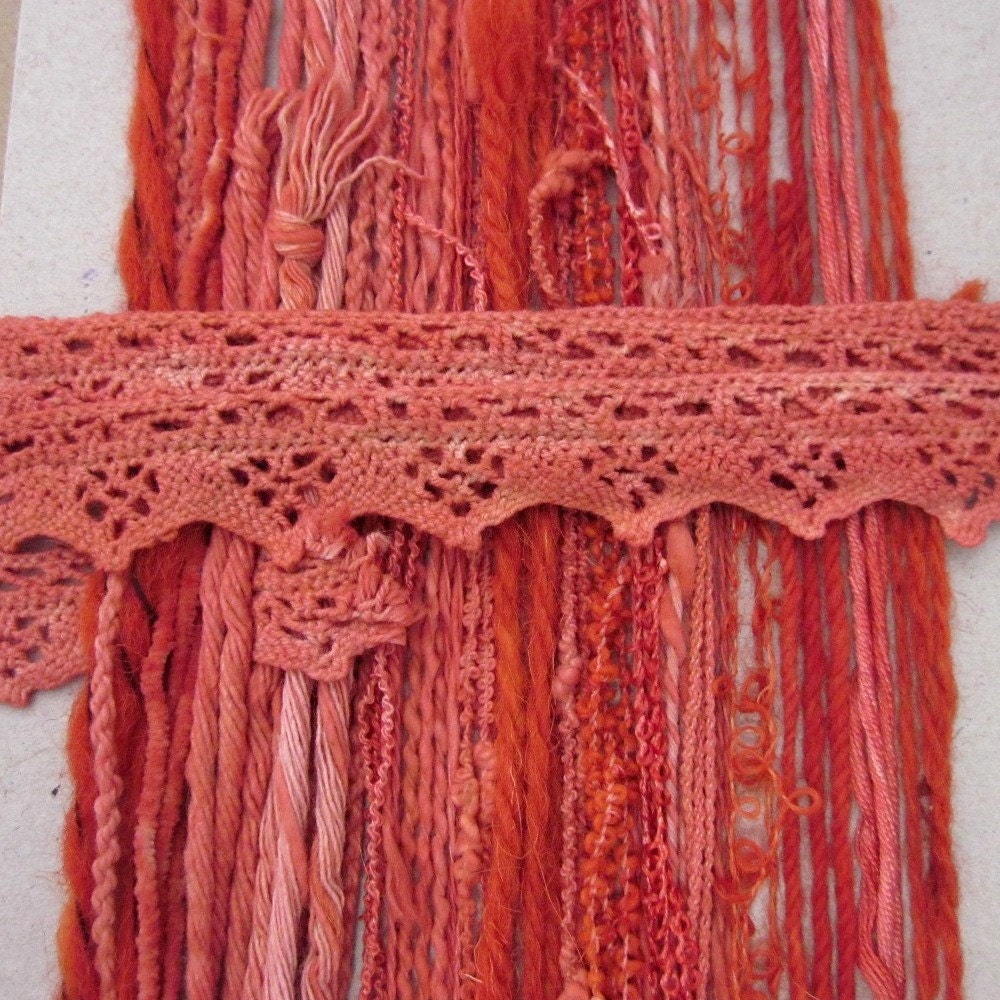
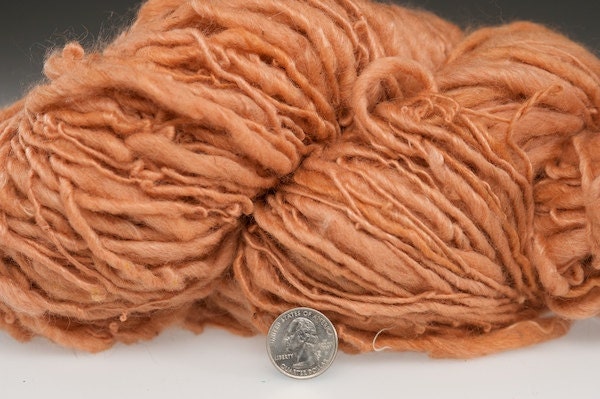
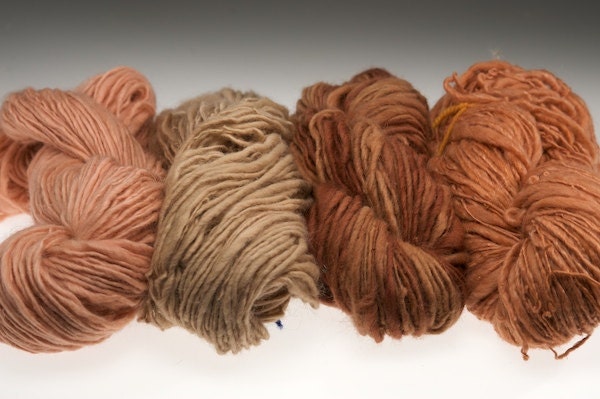
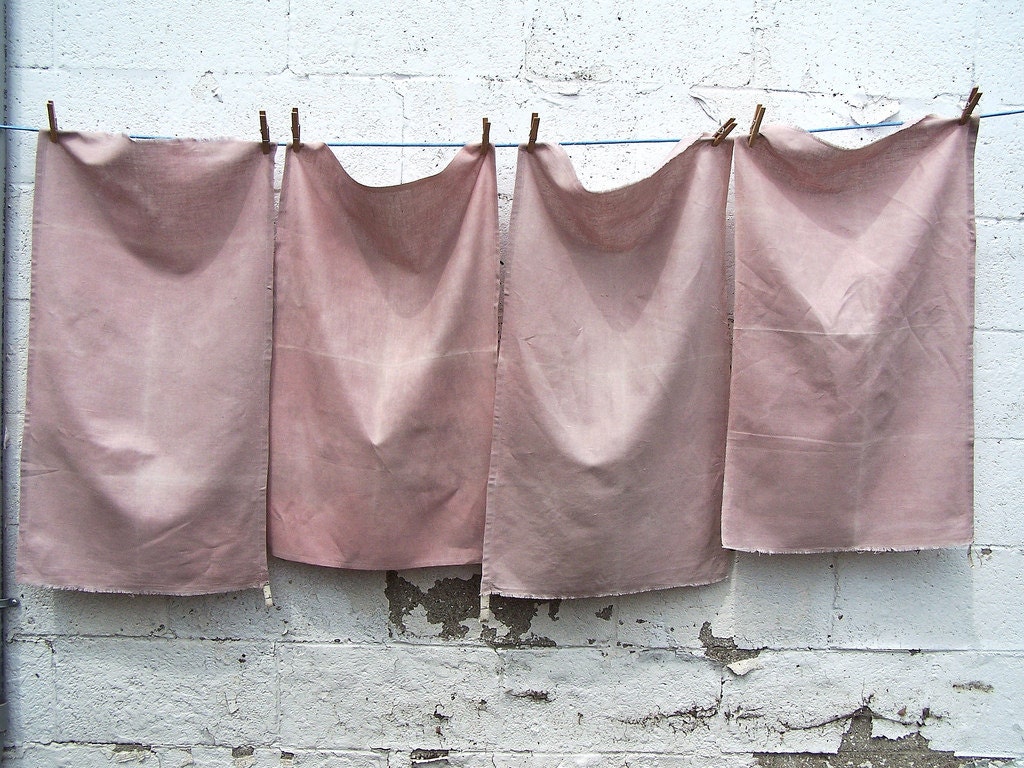
Women, also wore various colors. What colors you wore depended somewhat on your wealth, as brighter and more vibrant colors were more expensive to make than pastel hues. You can see the colors that were available to Romans in the first century below. I found these examples on Etsy, mostly made with the actual materials used in ancient times.
COLORS OF THE COMMONERS
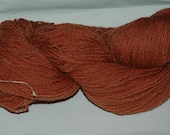
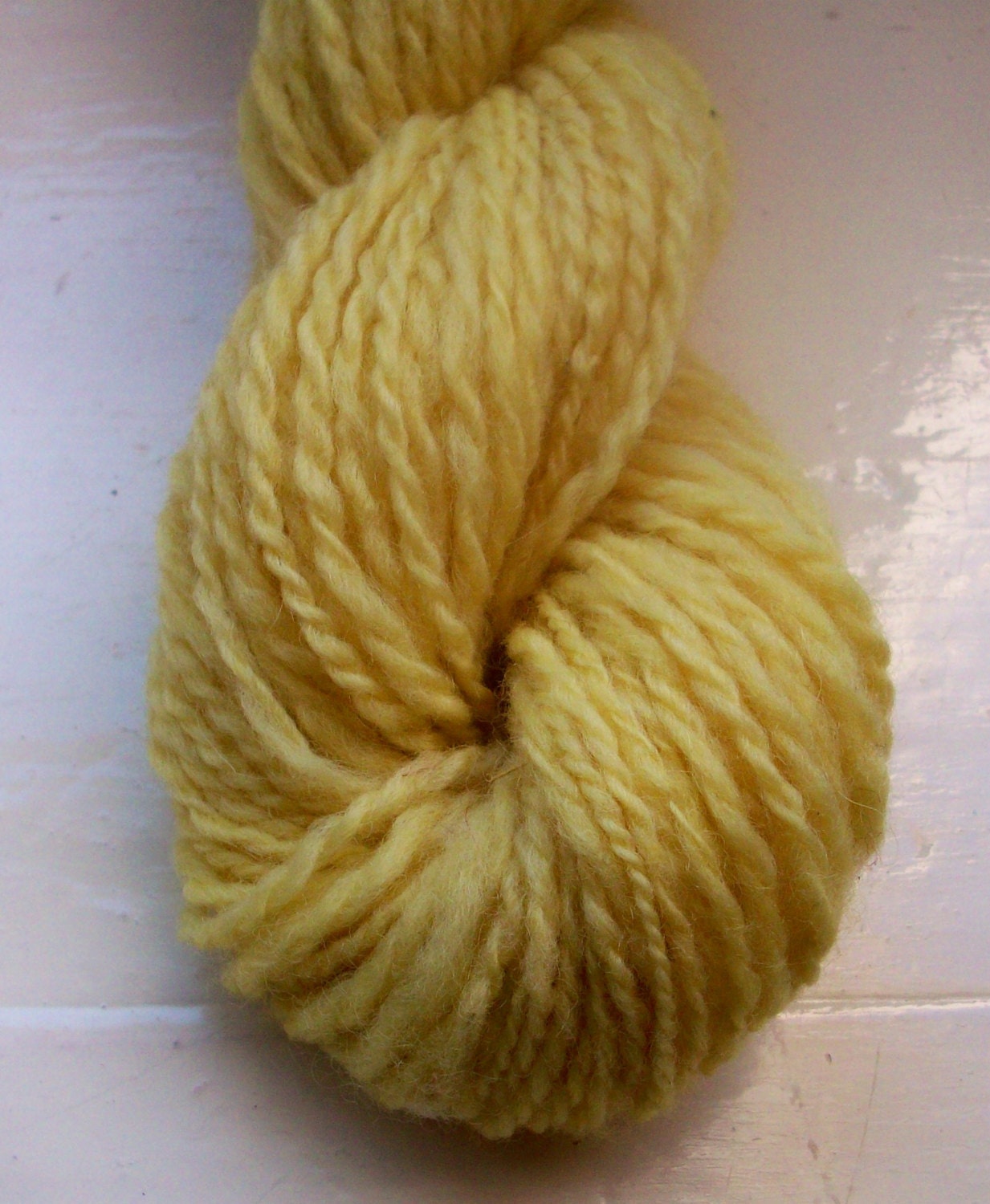
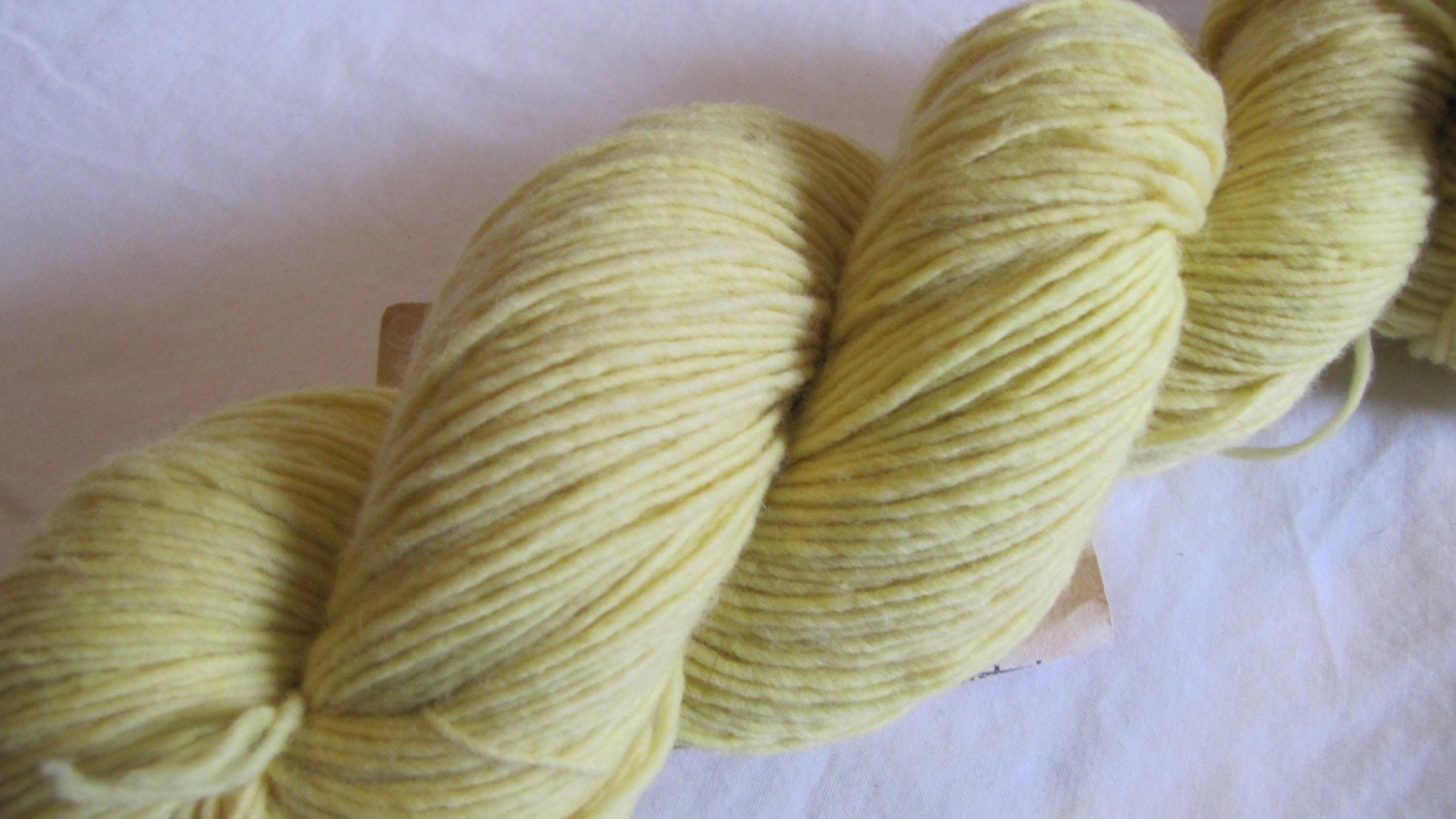
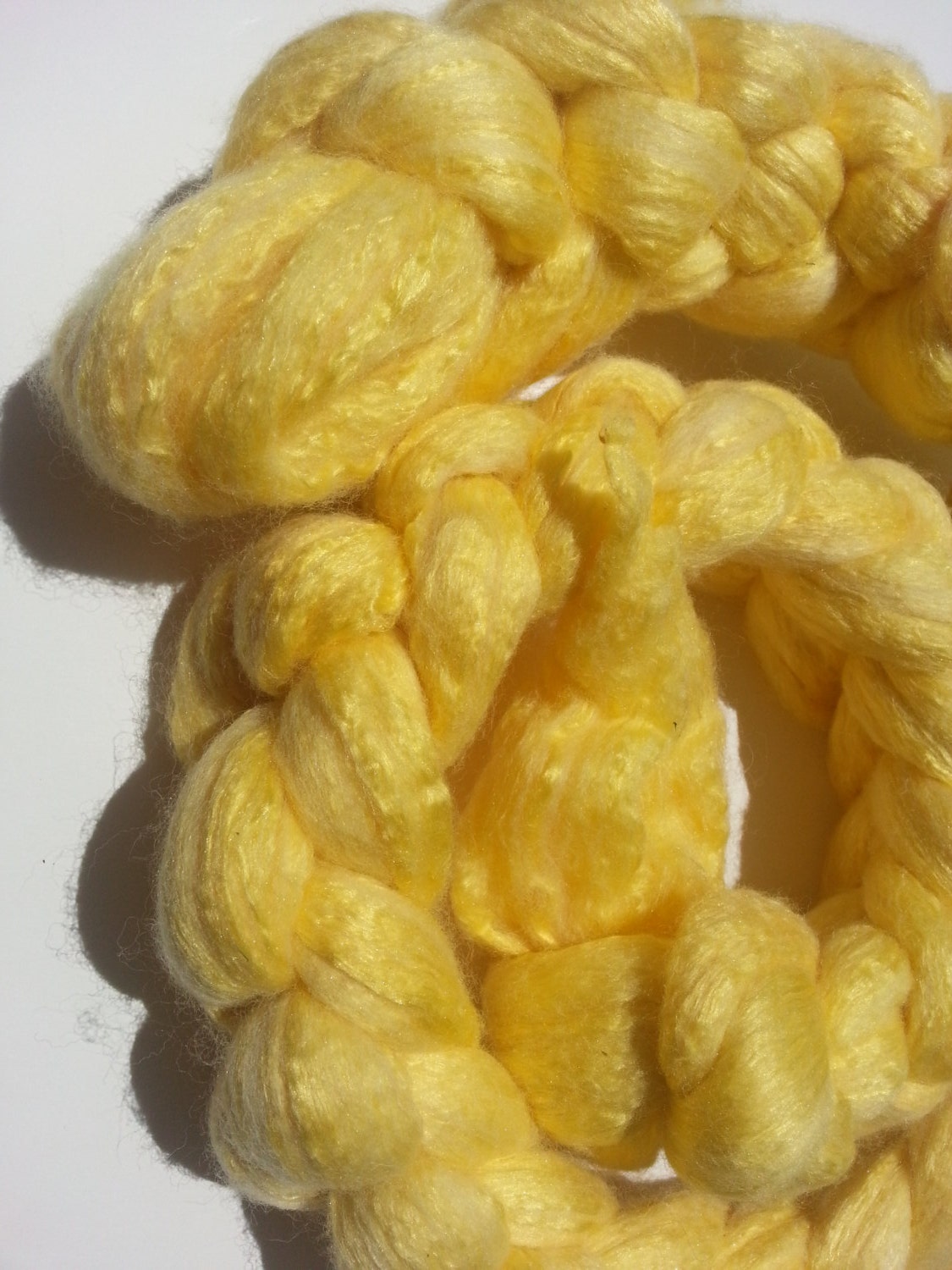
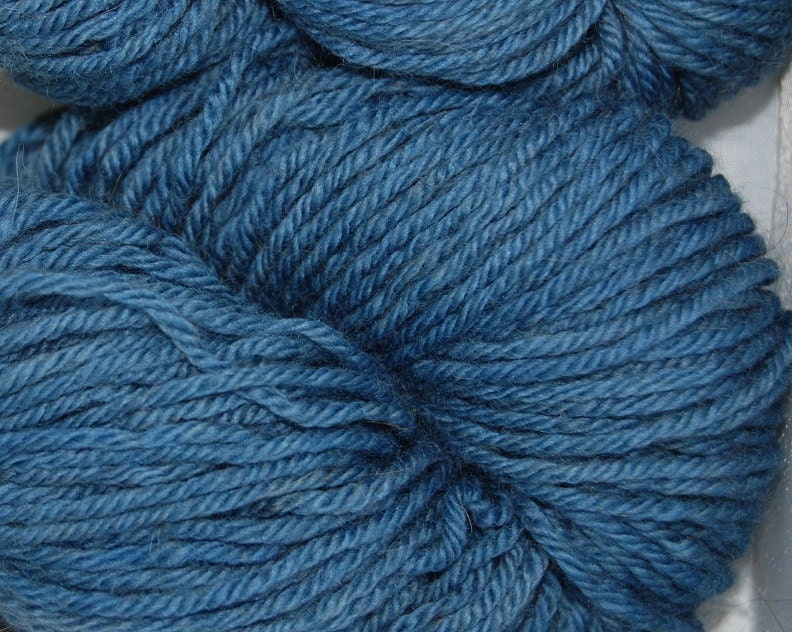
In addition to white and natural wool there were various colors that were inexpensive enough that most people could afford them. The colors below were made with dyes that were in a commoner's price range: Madder for red, pinks, peaches and browns. Weld for yellow. Lichen for green (and brown). Woad for blue.
You can click on the picture to visit their shops.
*All of these items shown below were actually made with dyes that were used during the Roman empire, except the green...I couldn't find anyone making green with lichen on Etsy, but did find examples on this site and this one which showed some greens actually made with lichen, which I used to pick green items above that matched the shade.
COLORS OF THE ELITE
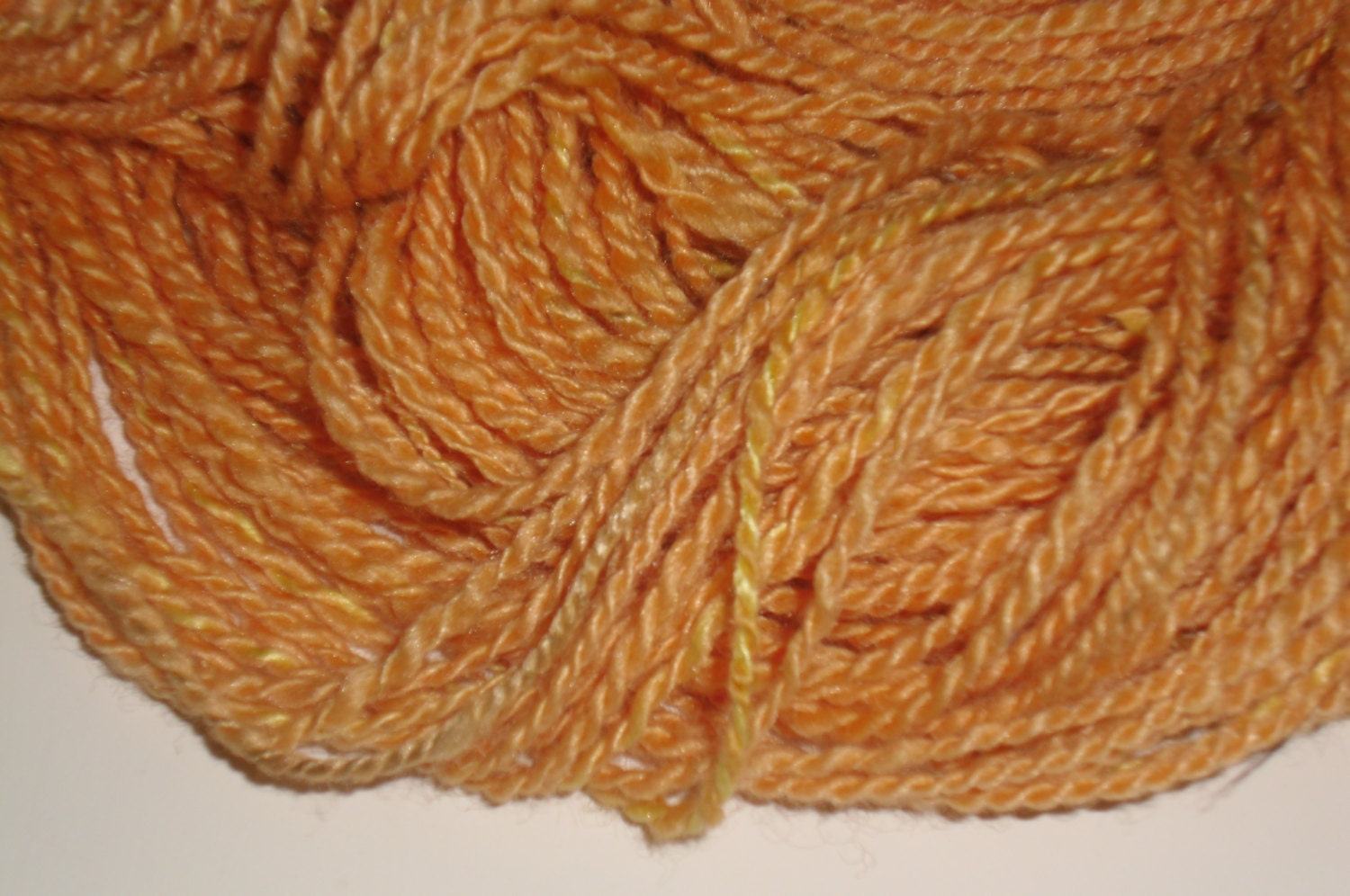
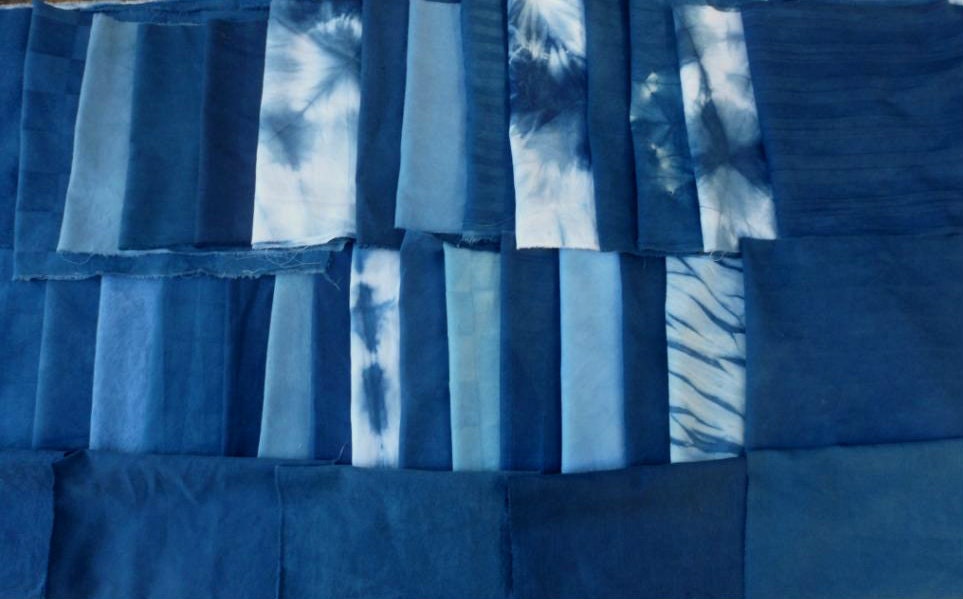
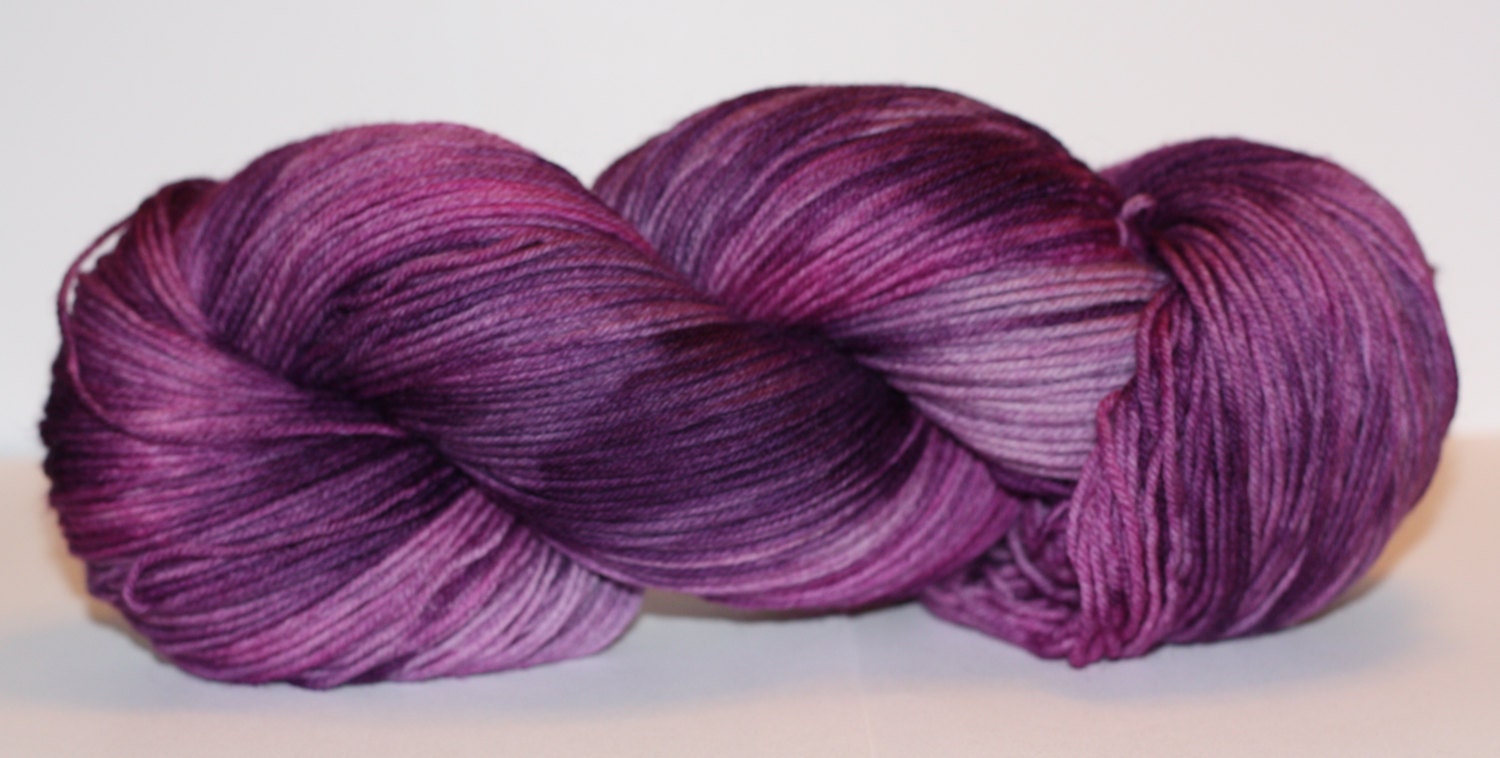
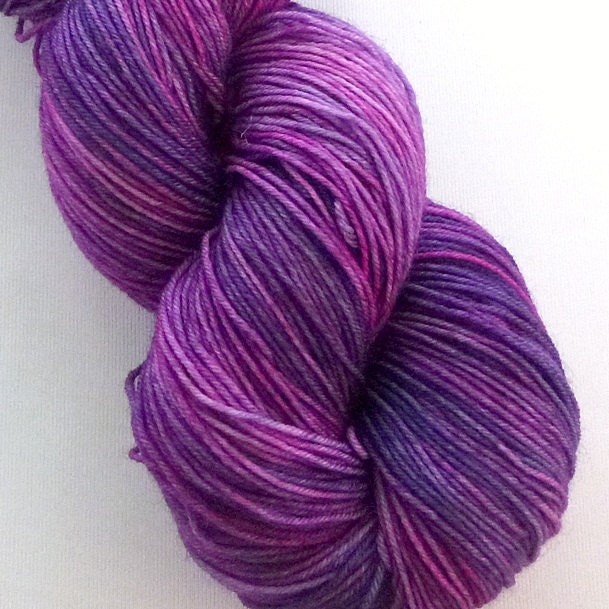
The following colors would have cost quite a bit more to make. The darker and more vivid the color, the more expensive it would be. These colors were made with saffron (yellow/orange), indigo (blue), kermes insects (crimson), and the most expensive of them all, the murex shell (tyrian purple...which could be nearly blood-red). These would have only been available to the very rich, and it would have been a symbol of your status to wear them. Over time, laws governed what colors could be worn and by whom.
Roman senators wore purple trimmed togas, as did high born Roman children (the purple trim was to protect them from evil). During the reigns of Caesar and Augustus, wearing purple was restricted to people who hold certain offices and certain dignities. By the 4th century, the most costly forms of purple was only allowed to be worn by the emperor and their family.
Saffron yellow was the traditional color of brides veils.
Because there are much cheaper ways to make these colors today, I couldn't find anyone on Etsy using, for instance, kermes insects or murex snails to dye their wares, but I found some other pictures online of actual items made with these dyes and matched them with the colors shown above. I did find things died with blue indigo though, and some of the yellows were actually made with saffron (all shades were matched to those achievable with saffron).
Thanks to all the people on Etsy who let me use these pictures.
You can click on the pictures in the color mosaics to visit their shops. Most of the particular items shown have been sold but you can find other similar items.
Here are the sources I found of actual items dyed with the rarer historic dyes:
Dyed With Saffron
http://fuhlendesigns.com/?p=89
http://rugrabbit.com/Item/saffron-dyed-19thc-chinese-silk-gowntibetan-aristocratic-use
http://www.creakeabbey.co.uk/saffron-dyeing-workshop-a-great-mothers-day-gift
http://www.ifimages.com/public/image/1437900/view.html
http://www.ifimages.com/public/image/1438440/view.html
The following is a little summary of everyday Roman life. While you don't "need" to know this to play a character in Rome VBS, it's may be useful to add some flavor to your impromptu talks with the children you're working with.
While the richest Roman citizens had their own villas, most people in Rome lived in the Insulae , apartment buildings which could be many stories tall (like the one at the right)...with shops and larger apartments on the bottom, and poorer one room homes on the top. Few apartments had kitchens, so most people bought food from local vendors. The poorest of the poor received a grain dole from the state...something like today's food stamps. The rich had their food cooked by their slaves.
Shopkeepers and tradesmen would work every day...unless it was a festival day! During festivals both rich and poor could watch a chariot race or gladiator fight, or attend the theater - it was all free. Of course, if you were poor you got the "nosebleed" seats, while the upper classes got to sit in the front row. Those seats weren't at the Colosseum though, because it hadn't been built yet. It likely would have been at one of the circuses in Rome.
The Circus Maximus was one arena where games took place. It was the first and largest stadium in Rome - 621 meters long.
and could fit around 150,000 spectators.
There were several smaller circuses in Rome at that time. In addition to chariot races and gladiator battles, they would host parades before festivals, triumphs, hunts, and other entertainment.
The Circus of Nero
They also sometimes hosted executions. Not long after the events described in Acts (when our VBS takes place), Christians would be martyred at the Circus of Nero. This started after the Great Fire in Rome in 64 AD, which Nero blamed Christians for. Paul would be among the Christians killed at this time (though most likely not at this location). But that was after our VBS takes place.
In Rome much of daily life at this time focused around the Forum, an open area surrounded by public buildings where political, business, and religious activities took place. People would come to plead their cases in court, to listen to orators and politicians, and worship and make offerings at the temples surrounding the forum. Shops and vendors crowded the entryways to the forum (this is where our marketplace would be). Parades and religious celebrations also happened here.
You can see the forum and surrounding buildings here. Most of these buildings
were around during the first centruy when Paul was in Rome, though the arches at the
end of the forum, and a couple of the buildings around it, were built later. You
Another center of Roman life was the Baths, which were more like health clubs with saunas, exercise rooms, food vendors, and even sometimes reading rooms. Only citizens were allowed to use them (though slaves could come to attend their masters). There was a fee to use the baths, but it was not expensive.
In the evenings the wealthy would often hold elaborate dinner parties. But no one stayed out late, because traveling home in the dark un-lit narrow streets of Rome was dangerous. It was easy to get lost, there was danger from thieves, and the streets were clogged with traders delivering shipments (since, with few exceptions, wheeled traffic was only allowed at night).